Eat Smarter, Live Better: A Practical Guide to Real-Life Nutrition
Wait...
Loading Middle Link...
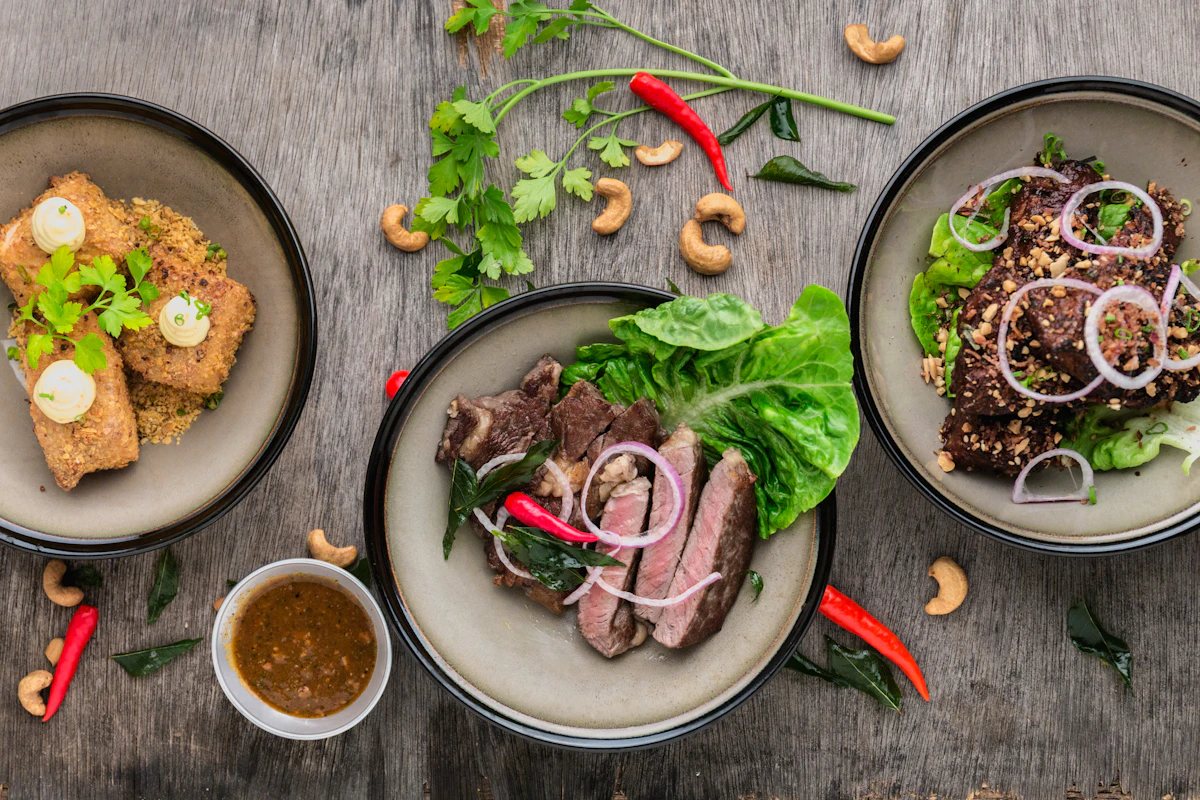
Nutrition advice is everywhere — headlines shout about miracle foods, influencers promise quick transformations, and grocery shelves groan under labels that claim to be “healthy.” So how do you cut through the noise and build a way of eating that actually fits your life, boosts your energy, and keeps you smiling at dinner? This article walks you through real, practical nutrition strategies that feel human (not robotic), are enjoyable to follow, and — importantly — are sustainable.
Why food advice feels so confusing (and how to stop overthinking it)
First, a quick reality check: nutrition science evolves, the media loves extremes, and one person's “perfect diet” can be another's nightmare. That’s why the best approach isn’t chasing the latest fad — it’s building a clear, flexible framework you understand and enjoy. Think of nutrition like a long-term relationship, not a one-night stand. Small, consistent choices beat dramatic resets every single time.
Start with the basics: calories, protein, fiber, and vegetables
Before you worry about powders, teas, or 7-day detoxes, make sure the fundamentals are covered:
- Calories: Energy in vs. energy out still matters for weight changes, but obsessing over exact numbers every day often backfires. Use rough estimates and focus on consistent patterns.
- Protein: Keeps you full, helps muscle repair, and stabilizes blood sugar. Aim to include a source of protein at most meals — eggs, yogurt, beans, fish, chicken, tofu, or a handful of nuts will do.
- Fiber & Vegetables: Aim for color — the more variety on your plate, the better. Fiber supports digestion and satiety and feeds your gut microbiome.
- Healthy Fats: Olive oil, avocado, nuts and seeds — important for brain health and flavor. Don’t fear fat; choose it wisely.
Practical tips that people actually stick to
1. Build your plate — half veggies, quarter protein, quarter carbs
This simple rule works in restaurants and at home. It gives you good fiber, enough protein to feel satisfied, and carbohydrates for energy. Swap starchy sides for extra vegetables when you want to reduce calories without feeling deprived.
2. Plan two “real” breakfasts and rotate them
People who plan breakfasts are more likely to start the day with balance. Two easy examples:
- Greek yogurt + berries + oats + walnuts — protein, fiber, healthy fat.
- Two eggs + whole grain toast + spinach — quick, savory, filling.
3. Cook once, eat twice (or three times)
Meal prep doesn’t mean endless Tupperwares. Roast a tray of veggies, bake a batch of chicken or chickpeas, and have a grain (rice, quinoa) ready. Mix and match across meals — one roast tray becomes lunches, bowls, and a quick dinner.
Mindful eating: the subtle habit that changes everything
Mindful eating is not about eating perfectly — it’s about paying attention. Put the phone away, chew slowly, notice flavors and textures. You’ll likely eat less, enjoy food more, and recognize fullness sooner. Try this: take three deep breaths before your meal, eat the first three bites slowly, and then continue at a normal pace. You might be surprised by how much more satisfying that first slow stretch feels.
Smart grocery shopping (so your kitchen helps you, not sabotages you)
- Shop the perimeter first: produce, dairy, lean proteins — less-processed choices. Save the middle aisles for occasional items.
- Always have a backup: frozen veggies, canned beans, and whole-grain pasta are pantry heroes for busy nights.
- Read labels quickly: shorter ingredient lists are usually better. Watch for added sugars under different names.
Supplements: useful or unnecessary?
Most nutrients are best from food, but supplements can fill gaps. A few sensible ones:
- Vitamin D: Often low in people who don’t get much sun.
- Omega-3 (EPA/DHA): Beneficial if you don’t eat fatty fish regularly.
- Multivitamin: A safety net, not a substitute for good food.
Always check with a healthcare professional before starting anything new — supplements interact with medicines and conditions.
Special topics people actually ask about
Carbs — friend or foe?
Carbs provide energy. The difference lies in quality: whole grains, legumes, and starchy vegetables release energy slowly and keep you full; sugary snacks spike blood sugar and leave you tired. If you want to cut carbs, prioritize keeping vegetables and protein steady.
Is intermittent fasting right for me?
Intermittent fasting can work for many people because it naturally reduces calorie intake and simplifies meal timing. But it’s not magic. If fasting makes you cranky, leads to bingeing, or disrupts your life, it’s not worth forcing. Food should fit your life — not the other way around.
A sample day that’s simple, delicious, and balanced
Here’s a realistic example you can adapt.
- Breakfast: Oat porridge with banana, chia seeds, and almond butter.
- Lunch: Grain bowl — quinoa, roasted sweet potato, mixed greens, grilled salmon/tofu, tahini drizzle.
- Snack: Apple + handful of walnuts or a boiled egg.
- Dinner: Stir-fry with colorful vegetables, lean protein, garlic, ginger, and a small serving of brown rice.
- Dessert (optional): Greek yogurt with a drizzle of honey and a few dark chocolate chips.
Common myths — busted, kindly
- "Fat makes you fat": Not true. Too many calories do. Healthy fats can actually help with satiety and nutrient absorption.
- "You must detox": Your liver and kidneys do a great job detoxing. Focus on steady good habits instead of short-term cleanses.
- "Carbs after 6pm cause weight gain": Timing matters less than total intake and activity across the day.
Small changes you can make this week (no drama required)
- Add one extra vegetable to one meal each day.
- Swap a sugary drink for sparkling water with lemon twice this week.
- Try a 10-minute mindful-eating experiment during one meal.
- Prepare one batch-cooked food (beans, grains, roasted veg) to use across several meals.
Final thoughts — be curious, not cruel
The most successful nutrition habits are curious experiments, not punishments. Notice how certain foods make you feel; keep what works and tweak what doesn’t. If you love the food you eat, you’ll be more likely to keep eating well. If you need precision — for sports, medical reasons, or a specific goal — seek a registered dietitian who will tailor a plan for you. For most of us, however, the path to better nutrition is delightfully ordinary: more plants, a reliable protein source, fewer processed surprises, and meals that make you feel good afterward.
Want this article shortened to a 600–800 word "quick tips" version, or converted into three social media posts and a newsletter blurb? Tell me which and I’ll reshape it to fit your audience and tone.